A liquid facelift is a minimally invasive cosmetic procedure designed to rejuvenate the face using injectable fillers and neuromodulators. Liquid Facelift in Dubai has become increasingly popular at clinics like Dynamic Clinic, where treatments focus on restoring facial volume, improving contours, and addressing early signs of aging without surgery. Understanding the medical principles behind this approach is essential for anyone considering the procedure. With growing interest, it’s important to explore how a liquid facelift works at a clinical level.
How a Liquid Facelift Works
A liquid facelift relies on the strategic use of dermal fillers and botulinum-based treatments to restore youthful features. The procedure involves:
Dermal Fillers: These are gel-like substances, often containing hyaluronic acid, that add volume to areas like cheeks, jawline, and under the eyes.
Neuromodulators: Botox or similar agents temporarily relax facial muscles to reduce the appearance of wrinkles and fine lines.
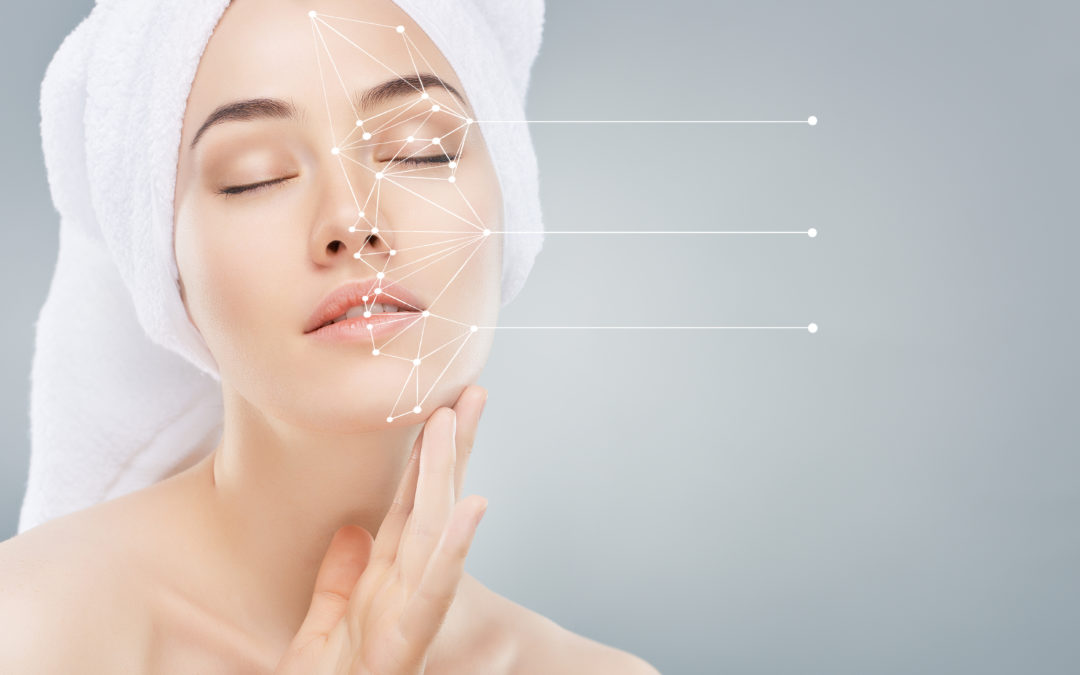
Targeted Injection Points: Medical experts carefully select injection sites to ensure symmetry, natural contours, and long-lasting results.
This combination allows patients to achieve a refreshed appearance without the downtime or risks associated with surgical facelifts.
Medical Principles Behind Volume Restoration
The central medical principle of a liquid facelift is volume restoration. As we age, natural collagen and fat in the face diminish, leading to sagging skin and hollowed features. Injectables work by:
Replacing lost facial volume
Supporting the overlying skin structure
Enhancing facial symmetry and proportion
By restoring volume in key areas, the liquid facelift counteracts age-related changes while maintaining natural facial expressions.
Understanding Tissue Dynamics
Successful liquid facelifts depend on a deep understanding of facial tissue dynamics. This includes:
Layered Facial Anatomy: Injectables are administered at precise depths to target subcutaneous fat, muscle, or dermal layers.
Skin Elasticity: Assessment of skin quality guides the choice of filler type and injection technique.
Muscle Activity: Neuromodulators are applied to specific muscles to prevent overactivity that causes wrinkles.
Medical precision ensures that the results look subtle, harmonious, and age-appropriate.
Safety and Biocompatibility
One of the foundational principles in performing liquid facelifts is safety. Clinicians prioritize:
Biocompatible Materials: Fillers like hyaluronic acid are naturally occurring and reversible if needed.
Minimal Invasiveness: Non-surgical procedures reduce the risk of infection and complications.
Patient-Specific Planning: Each treatment is customized according to facial anatomy, skin condition, and desired outcome.
Adhering to these medical standards enhances both safety and patient satisfaction.
Long-Term Effects and Tissue Integration
A key aspect of a liquid facelift is how injected materials interact with tissue over time. The principles include:
Gradual integration of fillers with surrounding tissue
Stimulation of collagen production in some cases
Temporary relaxation of muscle activity for wrinkle reduction
This controlled interaction helps maintain natural movement and prevents the “overfilled” appearance.
Common Treatment Areas
Liquid facelifts are versatile and can address multiple facial concerns:
Cheeks and mid-face volume loss
Nasolabial folds and marionette lines
Under-eye hollows and tear troughs
Jawline definition and chin augmentation
Forehead lines and frown lines
Clinicians combine treatments in a strategic plan to balance aesthetics and function.
Conclusion
Understanding the medical principles behind a liquid facelift highlights why it is an effective, safe, and natural-looking alternative to surgical facelifts. From volume restoration to tissue dynamics and safety protocols, each step is guided by scientific knowledge to achieve optimal facial rejuvenation. For those in Dubai seeking a minimally invasive enhancement, Liquid Facelift in Dubai offers a trusted solution aligned with modern medical standards.